 Driftwood Defense
Termite Control Tailored to South Creek, WA
South Creek’s blend of mature tree canopies, shaded lots, and the persistent dampness from our Pacific Northwest rainfall creates a high-pressure termite environment that generic pest control plans simply overlook. The dampwood and subterranean termites native to our region are drawn to the abundant decaying wood and moist soil that characterize many backyards in the South Creek community. Our service area knowledge means we look for tell-tale signs that an outsider might miss, such as the subtle mud shelter tubes forming along foundation cracks in older homes near the creek bed or the swelling woodwork in basements and garages affected by our heavy spring soil saturation.
Because South Creek experiences distinct wet and dry seasons, termite behavior shifts throughout the year, requiring a dynamic treatment and prevention strategy. In the warm, damp months, colonies expand aggressively and swarm to establish new nests, often targeting firewood piles or untreated landscape timbers on your South Creek property. Our ongoing termite protection plans automatically adjust for these seasonal threats, combining underground monitoring stations with targeted liquid applications to ensure that as the water table rises and falls in our local soils, your home’s structural integrity remains uncompromised. We are committed to preserving South Creek homes for the long haul, giving you total confidence from foundation to rafters.
Your South Creek home is one of your biggest investments, and the high moisture levels common in our area create the perfect conditions for destructive termite activity. Subterranean termites, in particular, thrive in the damp soil found throughout our community and can silently compromise wooden support beams, floor joists, and wall studs long before you notice any visible damage.
Whether you live in a craftsman-style home near the quiet wooded lots or a newer build closer to the growing South Creek commercial corridors, no property is immune to the threat of wood-destroying insects. Our locally-based pest control team understands the specific environmental pressures facing South Creek homeowners and offers comprehensive termite solutions designed to eliminate active colonies and establish a long-lasting defensive barrier around your property.
One call is all it takes to start.
Why South Creek Homeowners Trust Our Termite Control
Local South Creek Expertise
We know exactly where termites harbor in South Creek, from moisture-rich crawl spaces to the wooded perimeter lots bordering our neighborhoods.
Targeted Subterranean Defense
Our soil treatments create a continuous protective zone that stops South Creek's most aggressive termite species from accessing your foundation.
Non-Disruptive Treatment Options
We utilize advanced baiting systems and liquid barriers that allow your family to maintain their normal South Creek routine without evacuation.
Wood-Destroying Organism Reports
If you're buying or selling a home in South Creek, we provide the official WDO inspection reports required by local lenders and real estate agents.
Moisture Issue Identification
Beyond just killing termites, we point out the drainage and ventilation problems unique to South Creek properties that attract these pests in the first place.
Our Termite Treatment Approach in South Creek
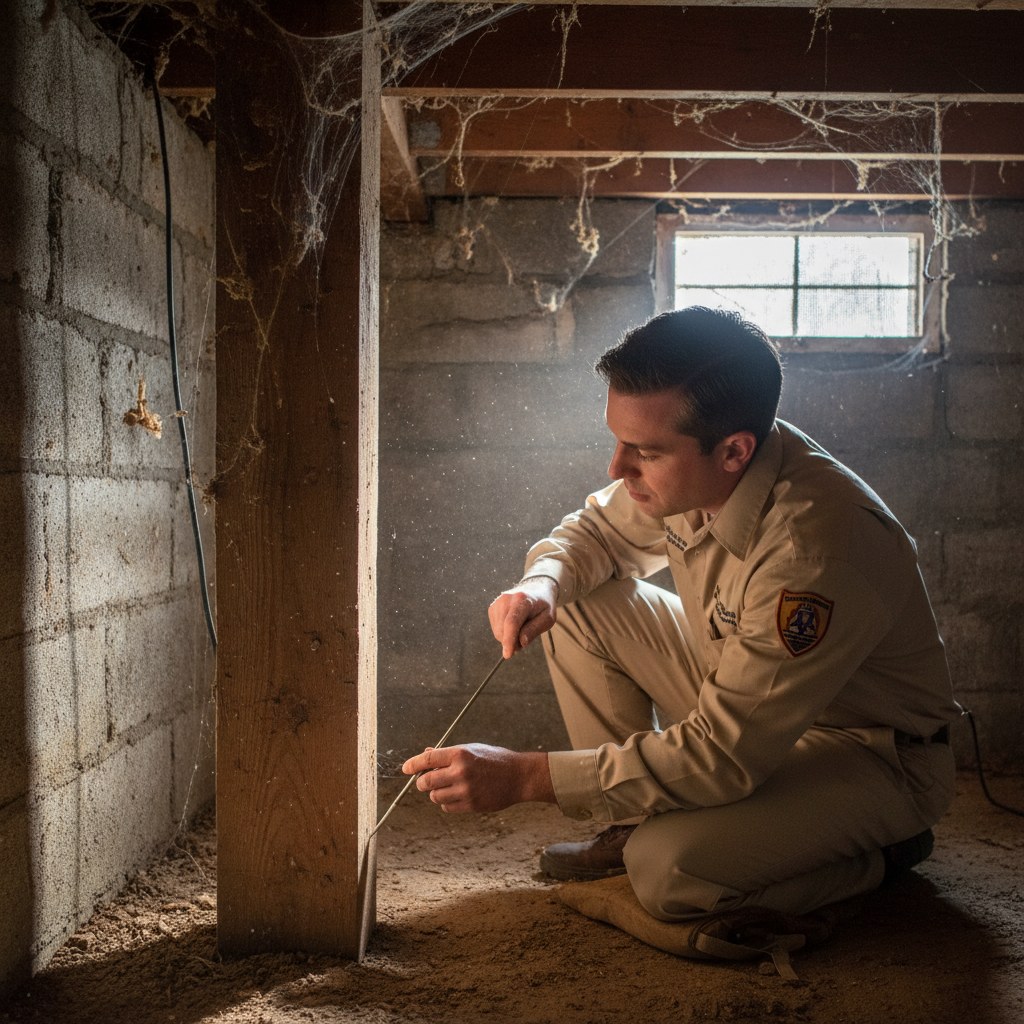
- Comprehensive Property Inspection We conduct a thorough assessment of your South Creek home's interior, exterior, and crawl spaces, identifying active mud tubes, frass, and structural vulnerabilities caused by local moisture patterns.
- Custom Treatment Plan Design Based on the colony location and your home's specific South Creek lot grading, we design a plan using liquid termiticides, monitoring stations, or direct wood treatments to eradicate the infestation.
- Perimeter Protection Installation We create a continuous treated zone around your foundation, paying special attention to the areas where South Creek’s dense soil retains water against stem walls.
- Follow-Up Monitoring & Support We return to South Creek regularly to check bait station activity and reapply protective barriers as needed, ensuring termites don't re-establish themselves through seasonal shifts.