 Driftwood Defense
Built for the way Lacey homes actually interact with the environment
If you live near the Nisqually Wildlife Refuge, in a mid-century rambler off Sleater Kinney Road, or in a new-build near Hawk’s Prairie, you share the same reality: the Pacific Northwest climate does not take a break, and neither do the pests that come with it. Driftwood Defense exists for homeowners who want a solution that sticks—one that handles the ants trailing across the kitchen counter this morning and the moisture conditions in the crawl space that invited them. We do not rely on alarmist sales tactics. We rely on knowing where pests nest in a Lacey home, how they enter, and what local conditions—from the heavy clay soils near Long Lake to the mature tree canopy in Woodland Creek Community Park—keep them coming back.
This is pest control built around how people actually live here. You might need a one-time wasp nest removal before a backyard party at Huntamer Park. You might need ongoing rodent management because the blackberry thickets behind your property line are a roof rat highway. Every conversation starts with your actual situation, not a generic plan. We listen, we walk the property, and we explain what we would do if it were our own home—because for many of us on the team, it is a home in the same community.
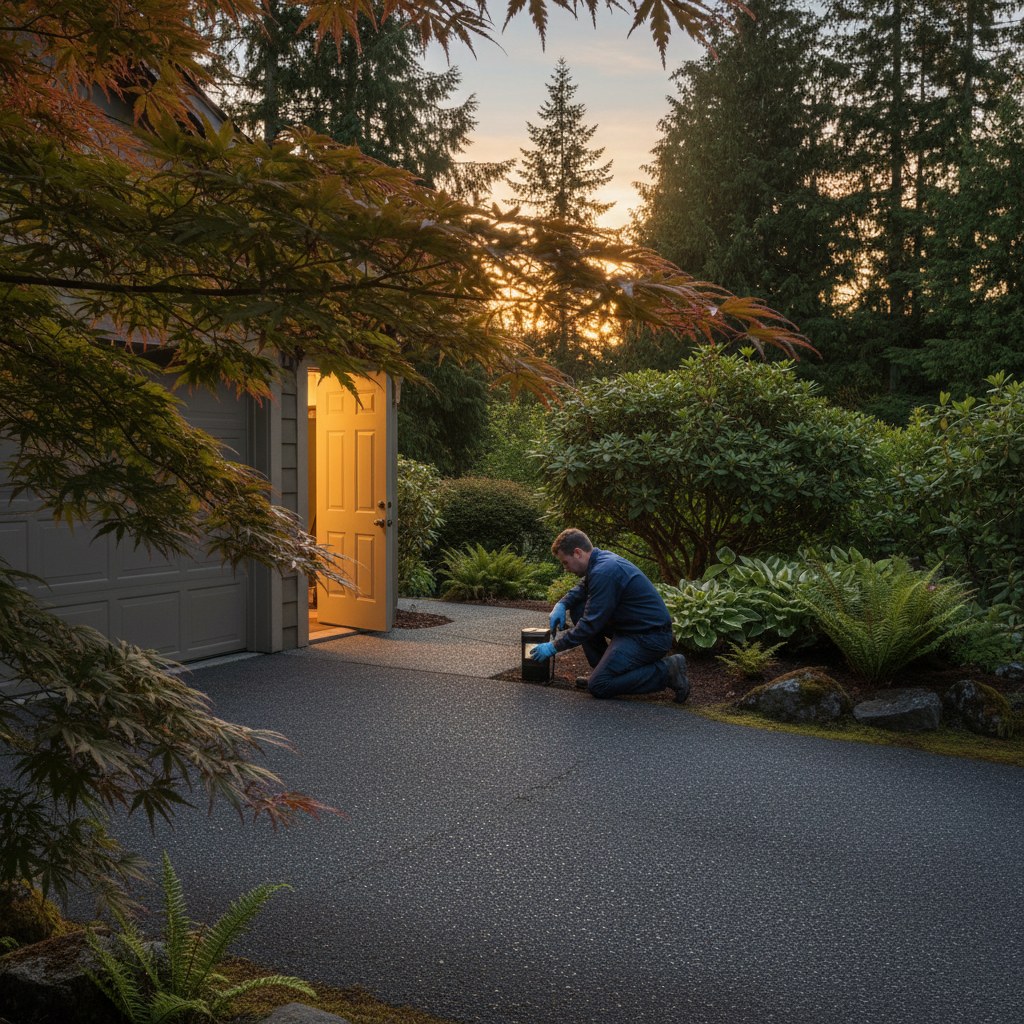
Services we provide
Serving Lacey, WA and the surrounding area.
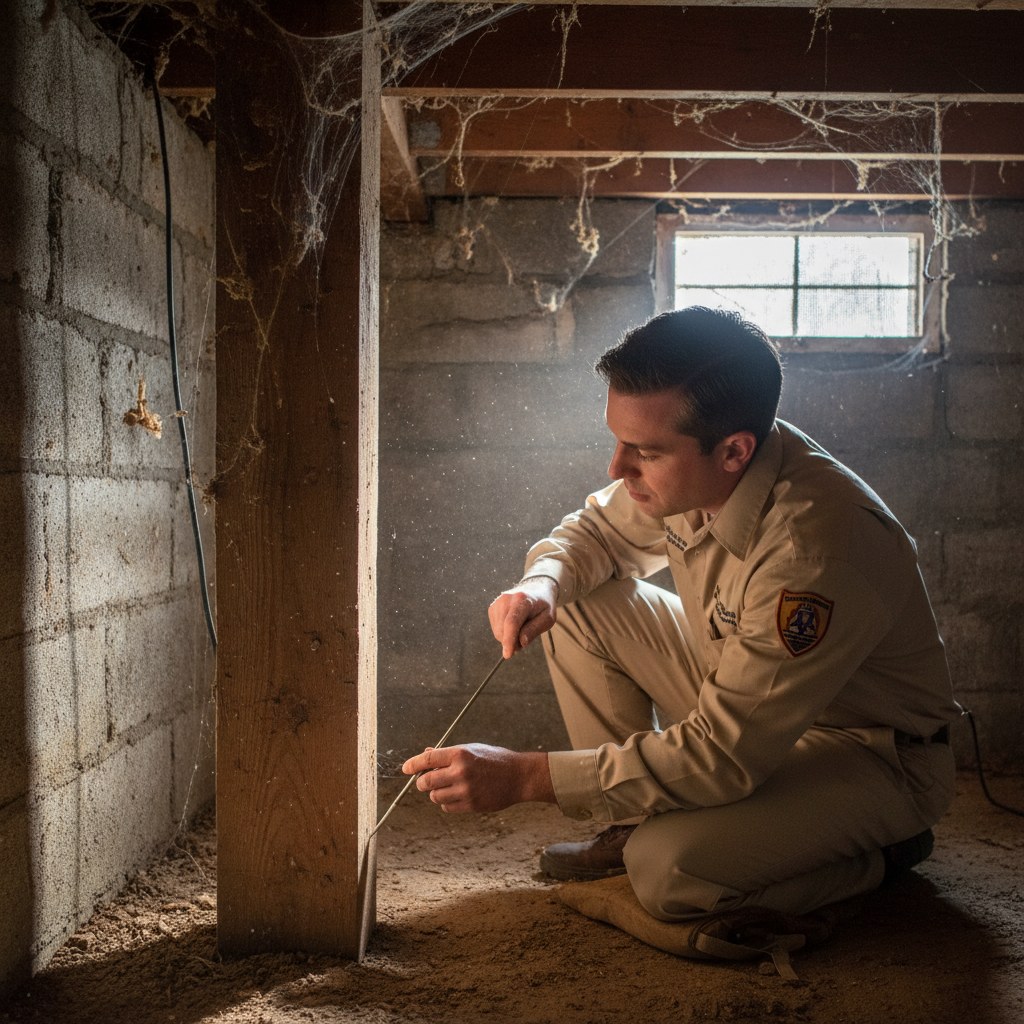 Termite Control
We eliminate destructive termite colonies while protecting your Pacific Northwest soil, landscaping, and long-term structural health.
Rodent Control
Thorough rodent control centered on permanent exclusion and ecologically responsible removal, keeping walls and wiring safe from damage.
Pest management that accounts for every Lacey season
Every form of pest control we offer starts with a single question: why is this pest here in the first place? In Lacey, the answer usually involves water. The high water table in neighborhoods like Meadows and Woodland Creek saturates crawl spaces, creating ideal conditions for moisture ants and silverfish. The year-round dampness inside wall voids—especially in older construction near Lacey Village and off Pacific Avenue—makes carpenter ant treatment a necessity, not an afterthought. Even termite control in this area hinges on moisture management, because subterranean termites follow the water trail straight to the sill plate.
Our pest management philosophy covers the full spectrum of what the Pacific Northwest throws at a home. On the insect side, we handle routine bug control for ants, spiders, cockroaches, earwigs, and carpet beetles, along with seasonal pressure from stink bugs, boxelder bugs, and cluster flies. During summer, pest removal shifts aggressively toward aerial threats—wasp and hornet removal from eaves and attics, and mosquito control in yards that border the wetlands near the Nisqually National Wildlife Refuge. We also treat for ticks and fleas in lawns where deer and small mammals pass through, which is common in the larger lots around the Regional Athletic Complex and along Hogum Bay Road.
On the vertebrate side, rodent control is a year-round conversation. Roof rat activity has expanded steadily from Olympia into the College and Jubilee neighborhoods, and mice find easy entry through foundation gaps in homes along Martin Way. Wildlife removal rounds out the service area—we humanely exclude raccoons, opossums, and squirrels without disrupting the native habitat corridors that make this part of Washington special. Whether it is pantry pest control in a Hawk’s Prairie kitchen or mole and vole activity turning a Carpenter Road lawn into a minefield, the goal is the same: solve the immediate problem, then make the conditions around your home less inviting so the problem does not repeat.
Areas We Serve
We bring honest, effective pest solutions to homeowners across Thurston County and beyond. If you live in any of these communities, you are covered by the same straightforward approach we bring to every Lacey job.
One call is all it takes to start.
What to expect when you call about pest, rodent, or wildlife problems
Nobody wants to call an exterminator and feel like they are signing up for a mystery bill. Our process begins with a thorough inspection of the structure and the surrounding property—we check crawl spaces, foundation seams, window frames, attic vents, and the moisture profile that drives most Lacey pest issues. From that assessment, we provide a clear scope of work with a firm price before any treatment begins. We explain which pests we found, where they are entering, what the treatment will address, and what you can expect in the days and weeks that follow.
Many pest problems in this area trace back to correctable conditions—a downspout dumping water against the foundation in the College neighborhood, a tree branch touching the roofline near Panorama, a crawl space vapor barrier that has shifted. When those conditions exist, we point them out plainly because fixing them is part of getting the pest pressure under control for good. The quote you receive reflects the actual work required, not an inflated package of services you did not ask for. Our goal is straightforward: solve the issue in front of you, and give you an honest recommendation on whether recurring visits make sense for your specific property.
Before you call
How much does pest control cost in Lacey, WA?
Cost depends entirely on the size of the home, the pest involved, and the level of infestation. A targeted carpenter ant treatment on a single wall generally costs less than a full exclusion and trapping program for roof rats, for example. The best way to get an accurate number is a walkthrough inspection of your property—once we identify the entry points and contributing conditions, we provide a transparent quote with no surprise fees.
What are the most common pests in Lacey, Washington?
Moisture ants top the list, especially in homes with vented crawl spaces that stay damp nine months of the year. Carpenter ants follow closely behind, drawn to the soft, water-damaged wood common around window sills and roof lines. We also see heavy pressure from roof rats, yellow jackets nesting in attics, and hobo spiders in basements and ground-level garages across neighborhoods like Tanglewilde and Woodland Creek.
How do I get rid of carpenter ants in Lacey?
Locating and eliminating the parent colony that supplies the satellite ants inside your walls is the only approach that sticks. In Lacey, that often means tracing the trail through the crawl space or along a moisture-damaged rim joist. We remove the colony source, replace compromised bait strategies with direct treatment where appropriate, and correct the moisture issue that invited them—because without fixing the damp wood, a new colony will move in.
Are there termites in Lacey, Washington?
Yes, subterranean termites are active in Lacey, particularly in areas with consistent soil moisture like the Meadows and sections near Long Lake and Hicks Lake. They move through mud tubes built in crawl spaces and foundation cracks. We inspect for telltale shelter tubes and damaged sill plates, and our treatment approach focuses on creating a treated zone that intercepts the colony before it reaches structural wood.
What attracts roof rats in Lacey, Washington?
The combination of consistent food sources—bird seed, pet food, unsecured garbage, fruit trees—and older construction with ample entry gaps makes certain neighborhoods especially attractive. Roof rats in Lacey also exploit overhanging tree limbs that act like bridges to the roof line. We focus on exclusion first, sealing the openings that grant them access, then reduce the population humanely while eliminating the attractants that keep them coming back.
Do I need regular pest control in Lacey?
For most homes in our service area, quarterly visits create a protective barrier that interrupts pest life cycles before populations build. A regular cadence keeps crawl space moisture indicators in check, refreshes perimeter treatments that wash away in our long rainy season, and catches early signs of rodent activity around foundations. If you live near open spaces—like the edges of the Nisqually Wildlife Refuge or the greenbelts off Mullen Road—that routine monitoring matters even more.