 Driftwood Defense
Service
Centipede & Millipede Control
Finding a dozen legs scurrying across the bathroom floor in the middle of the night is an experience no one wants to repeat. While centipedes and millipedes play an important role in the outdoor ecosystem—breaking down organic matter and preying on pest insects—they cross a line when they start wandering into your living space. That sudden, uninvited appearance is usually a signal that conditions are too damp and accessible right at your foundation line.
We understand the natural curiosity that comes with living in a rainy, forested coastal climate. You don't want to erase nature, you just want to draw a firm boundary at your front door. That’s exactly what our approach is designed to do: create a barrier that redirects these moisture-loving arthropods back into the landscape where they belong, without unnecessary disruption to your indoor environment.
One call is all it takes to start.
What Professional Centipede & Millipede Control Involves
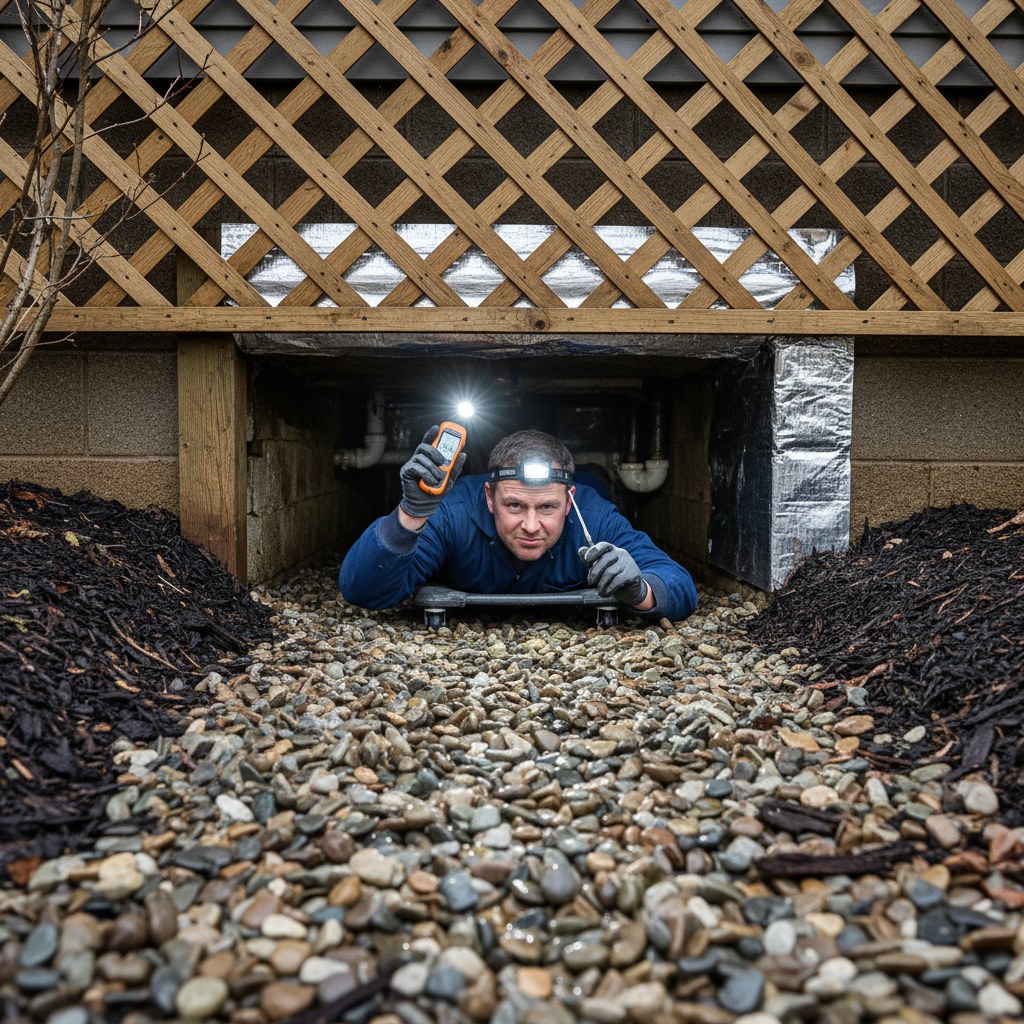
Effective control isn't just about addressing the single millipede you see crawling up the baseboard—it’s about rethinking the habitat directly touching your foundation. Our process starts with a careful inspection of the perimeter to pinpoint organic debris, thick mulch lines, or dense groundcover that’s holding excessive moisture. Because these creatures dry out quickly, they instinctively cluster near heavy leaf litter, woodpiles, and mossy soil that sits right against the house. We target these environmental hotspots first, physically clearing entry-conducive material before anything is applied.
When a product is needed, we use low-impact, targeted applications that create a precise dry barrier around the exterior foundation. Inside, we rely on exclusion and moisture management; sealing hairline cracks, addressing weep holes, and recommending ventilation tweaks that make interior spaces far less inviting. The goal is to physically deny entry and dry out the micro-climate that attracts them, so you see fewer legs inside—not a chemically overwhelmed home.
Why Our Control Stands Apart
Moisture-First Thinking
We don’t just spray and walk away. Everything we do addresses the damp micro-climates that actively pull millipedes and centipedes toward foundations.
Targeted Exterior Barrier
Our applications focus outside the structure to stop intruders before they ever reach your threshold, keeping interiors exceptionally low-touch.
Ecosystem-Aware Approach
Treatments are chosen to manage the immediate perimeter without wiping out the beneficial decomposers that keep your garden soil healthy.
Long-Term Prevention
By sealing entry points and reducing mulch-to-foundation contact, we build a strategy designed to keep populations down through multiple rainy seasons.
Calm Clarity
No scary tactics, no exaggerated threats. We explain exactly why they’re gathering and what we can realistically do about it.
How We Keep Them Out
- Perimeter inspection We examine the foundation edge, crawl space access, and surrounding landscaping to locate moisture pockets and organic debris fueling the activity.
- Debris reduction We move heavy mulch, leaf litter, and woodpiles back from the foundation, disrupting the damp, sheltered band where numbers build up.
- Precision exclusion Gaps around thresholds, utility penetrations, and foundation cracks are sealed or noted for simple repairs that make a dramatic difference.
- Low-impact treatment A fine exterior barrier is applied to the soil-contact zone, using products designed for tough adhesion even in drizzly conditions, while staying targeted.
- Clear guidance You’ll know exactly what we saw, what we did, and how small changes—like redirecting a downspout—can reinforce the results.
Who Needs Centipede & Millipede Control
This service fits anyone whose home borders moist natural areas, lush landscaping, or deep garden beds—which is to say, most of us. If you’re finding curled-up millipedes in the garage or those long-legged house centipedes zipping along hallway baseboards after dark, the conditions outside are gently pushing them in. It’s especially common after extended rain saturates the soil, sending arthropods searching for any dry crevice—which often means your foundation.
You need this level of control when simple sweeping isn’t cutting it anymore, or when seasonal migrations turn from a stray sighting into a weekly indoor certainty. It’s also a smart, proactive step if your home has a history of damp crawl spaces or heavy ivy growth touching the siding. We’re here to reinforce the barrier between your home and the thriving, damp ecosystem right outside.
Before You Call
Are the house centipedes I see actually dangerous?
No—house centipedes are not medically dangerous to people, despite their startling speed and appearance. They’re actually fierce predators of other true pest insects like silverfish and roaches. The issue is purely one of comfort; you shouldn't have to share your bathroom with them, and their presence often points to sustained moisture that deserves attention.
Why do millipedes keep showing up even after I sweep them away?
Millipedes are scavengers that dry out extremely fast, so they’re programmed to follow moisture trails back to the source. If you have deep mulch or decaying leaves right against the foundation, you're essentially running a millipede farm right next to your wall. Until that immediate zone is dried out or pulled back, new ones will simply migrate in to replace the ones removed.
How long do I need to wait before I see results after a treatment?
You’ll typically notice a sharp drop in indoor sightings within a few days as the exterior barrier takes effect and transient populations fade. During large seasonal hatches triggered by heavy rain, it can take a couple of weeks for exterior numbers to fully decline. The real long-term shift happens once moisture and entry-point corrections are made alongside the application.
Will the product used outside harm my pets or my garden?
We select products that bond tightly to the soil and surrounding surfaces in the targeted treatment zone, which drastically limits any drift or runoff into garden spaces. Once the application is dry—usually within an hour or two—the treated band poses minimal risk to pets walking through the yard. We’re always happy to walk you through exactly where we applied it and which precautions make sense for your specific setup.